September 2026
There’s been a lot of chatter about M&S’s recent collab with Aries. It’s a leather handbag based on the store’s iconic 90’s green plastic carrier. One commentator said that it harks back to a simpler time, when businesses didn’t sweat the small stuff. Unlike today there was no agonising over which Pantone of green and placement of logo. Decisions were made quickly, using gut instinct, face-to-face in a room. ‘Perfect bag’ and ‘good enough bag’ were one and the same thing.

It’s not just nostalgic collabs. Actual old plastic bags are fetching double figure prices on ebay and Vinted. People are loving these reminders of simpler times, when our high streets were very different places from now. What’s going on?
Tech has made the 90s feel like a very long time ago. 1996 was a milestone - when AI beat the world champions of chess. The winning bot ‘imagined’ every single possible move, then chose the perfect one. Thirty years later we’re seeing the value of human gut instinct being questioned, and sometimes overruled, in every sphere, including business, marketing and creativity.
But our brains have evolved over millennia to depend on gut instinct. This was famously explained by Daniel Kahnemann in Thinking Fast & Slow. Human brains make do. We look for shortcuts, hacks, ‘good enough’.
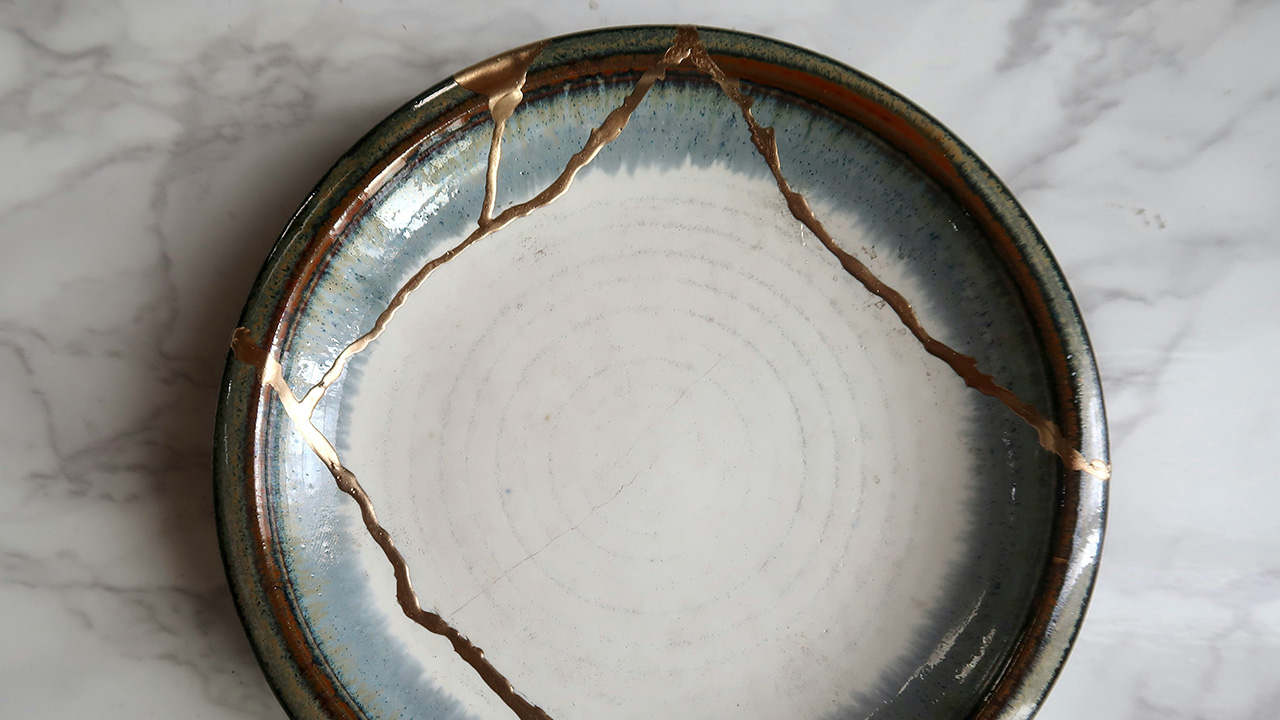
It’s not just in neuroscience. It’s in culture. We see character and soul in the imperfections. Paint strokes. Stitches. The Japanese art of Kintsugi. Wear & tear. Trend for vintage. All these let us see, touch and feel the all-too human decision-making process. In ever-more streamlined times, those old plastic bags feel sentimentally desirable, even precious.

We’re seeing a divergence in what we desire. On one hand tech is rewiring us to expect the instant gratification of perfectly fast answers. On the other hand we have a growing yearning for imperfect things, delivered at slower tempos.
To win in accelerating times winning brands mix fast and slow, perfect and imperfect.
CocaCola is famously measured, tweaking its identity (and probably its liquid) in baby steps. Only design agencies notice when that perfect pack changes. Unbeatable uniqueness results. But the brand also has a fast and imperfect side. Think dirty ltd edition sodas. A visceral World Cup film named Uncanned Emotions. Blink and you miss it Coca Cola Creations drops. The brand covers all the bases of fast and slow, perfect and imperfect.
Nike does the same. Its perfectly iconic brand assets, Just Do It mantra and core collection of always-available products never change. But at the same time its NikeLab experimental ranges show up in scrappy beta. And its Run Club and After Dark community events feel spontaneous and human.

Hitting both head and heart explains these brands’ broad appeal. In some categories - like household, healthcare or finance - speed of is the essence. But for most others Coke and Nike are benchmarks of showing up imperfectly, as well as perfectly, and slowly as well as fast.
So as tech accelerates brands will need ever-more flexible agencies that can create and design at any pace, and to any finish level. We find an and/and approach is the only way to deliver.
Working remote, and in the flesh, separately and together. Using AI to accelerate and amplify human thinking. Sprinting to ideate with breadth, then executing at a more moderate tempo. Time is always allowed for gut instinct, whatever the pace.
Choreographing creativity like this gives brands what they need to both engage human brains and sell at the speed of modern life.
Follow us for more.
All newsKeep reading
Read more
25 The Village,
101 Amies Street,
London SW11 2JW
+44 (0) 20 7924 4533
hello@bloom-london.com
