
March 2026
Brand architecture isn’t just structural and systematic. It can be cultural, creative and innovative too.
Our brains love seeing tensions resolved. Some of the world’s most inspirational people earn trust and attention by doing two contradictory things at once. And doing it effortlessly. Seeing their journeys and acts unfold becomes a story we can’t resist following.

Barack Obama was both a young African American. And the US president. Until 2009 it was not deemed possible to be both. Obama resolved it. On the same day he could effortlessly switch between being deeply stately in front of statesmen and being spontaneously human in front of inner-city school kids. This tension-resolving behaviour made him loved like few presidents before or since.
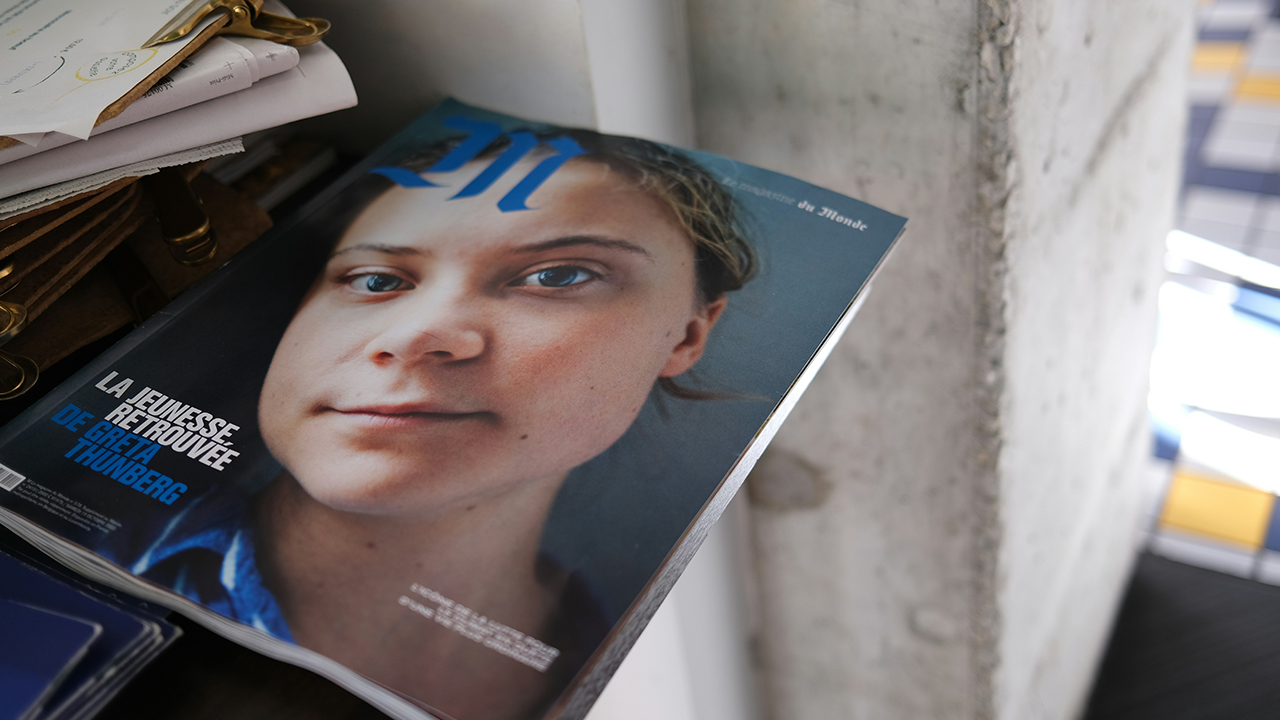
When she burst into global consciousness Greta Thunberg was both a shy schoolgirl, and the unstoppable figurehead of an environmental movement. Her story, flipping perceived weakness into steely strength, made her an inspirational household name overnight.
The tension in Obama and Thunberg’s characters and journeys gives them stretch. It makes them more human and interesting. They can credibly speak to many more people, and belong in many more places, than other, more one-dimensional politicians or activists.
We’re also drawn towards brands that resolve tensions. Tensions, especially cultural ones, are the secret to brand stretch. Positioning around a rich, human, cultural tension opens the door to brand architectures that appeal to multiple needs, moments and budgets.

First, an example of how not to do it. BrewDog started out as an underdog speaking power to corporate brewers. It was the good guy in a bad world. This tension unlocked abroad brand architecture – different beers, bars, merchandise, communities. But, once it scaled up, it stopped treating its people well. It stopped delivering on its promises. And other craft beers started tasting better. The brand became dissonant and contradictory. Then look what happened.

Ralph Lauren is a master of architecture. Its positioning resolves a cultural tension, promising to make the preppy style of the US East Coast inner circle – Harvard, The Hamptons etc – accessible to outsiders. Simple, colourful Polo dials up the accessibility. The tailored Purple Label collection dials up the elite. RXSport invites you into the elite at play - skiing, sailing, golf. Ralph Lauren Home extends the preppiness into interior design. Together the sub-brands have a cumulative effect. They build a lifestyle universe, inviting all who can afford it into the American Dream, The Land Of The Free, the tasteful rewards for hard work.
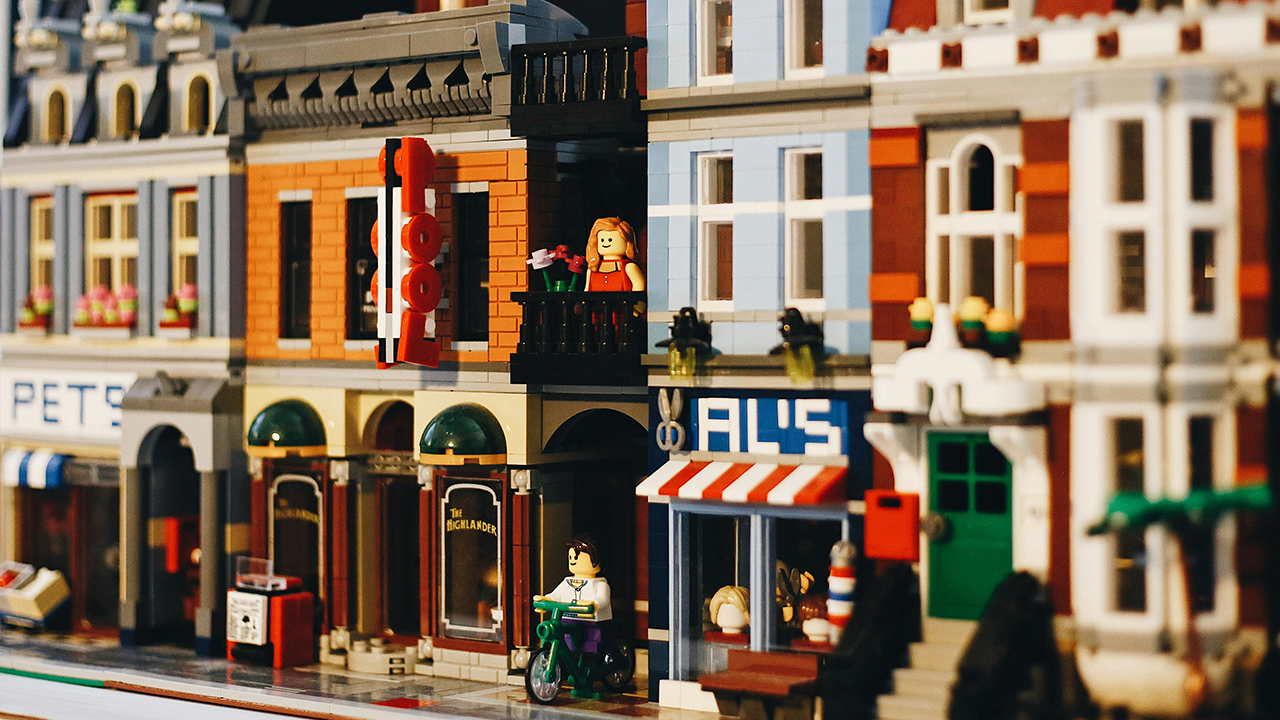
Lego’s positioning and architecture work in a similar way. It believes kids should be adults’ role models. So it uses play to teach engineering. It’s one of life’s greatest tensions – between childhood and growing up. This is the well-known secret behind Lego’s hugely profitable flex. Its ever expanding range stretches from play-focused Duplo, to engineering-focused Technic; from Lego Icons for adult collectors, to crowdsourced Lego Ideas. And it’s expanded beyond toys into movies, gaming, theme parks and merch that delight children and adults alike.
Positioning a brand around a cultural tension sets up a brand architecture that resolves it. Ralph Lauren’s brand architecture is what make elitism accessible. Lego’s brand architecture is what grows children into engineers. Their architectures are bigger than navigation systems. They create innovative product worlds that tell ever-unfolding stories in culture.
Follow us for more.
All newsKeep reading
Some treat architecture as the dullest tool in the strategy toolbox. We disagree.
Read more
25 The Village,
101 Amies Street,
London SW11 2JW
+44 (0) 20 7924 4533
hello@bloom-london.com
